
It was all going fine as you headed back towards Ingleton (Settle, Bentham, Kirby Lonsdale – insert home location of choice). And then – BANG – it all goes wrong.
Assuming you haven’t required CRO or the air amblance, you have limped home feeling a bit sorry for yourself. If you did need CRO or the air ambulance, you are back home nursing something more impactful.
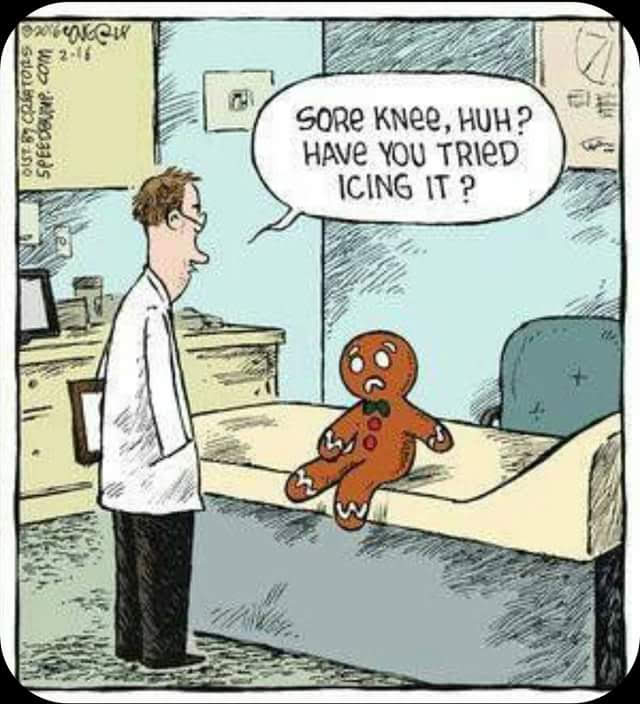
So, you’ve picked up an injury so you must ice it. Well, that’s what we are all told – Rest Ice Compress Elevate (or any of the variations on the theme).
Often the first thing we reach for, when an injury has occured is the ice. Ice has been used for centuries to manage injuries and it plays a part in the healing process in a myriad of ways. Whilst it can help with injury mangement, doing it without care and a bit of thought can be detrimental
Cryotherapy involves the application of cold temperatures to an injured area. The primary goal is to manage the pain, swelling, and inflammation that occur in the immediate aftermath of an injury. This acute stage lasts for 24-72 hours, when the pain is most intense but also when the key initial stages of repair occur.
In this stage, cold therapy helps by:
- Delivering Immediate Pain Relief: Cold helps numb the nerve endings in the treated area, providing a natural, drug-free analgesic effect.
- Controlling Inflammation: Inflammation is a natural response to injury; it is vital to start the repair process. However, prolonged and excessive swelling can impede the healing process and cause additional problems. Ice plays a crucial role in slowing down the inflammatory response, thereby reducing swelling and promoting a more controlled healing environment.
- Regulating Blood Flow: Ice helps regulate blood flow to the injured area. Initially, the application of cold to an area temporarily decreases blood flow by constricting the blood vessels. Once the cold is removed, the blood vessels expand as the area warms. This controlled fluctuation of blood flow helps by both flushing damaged cells into the body’s waste systems and encouraging the presentation of the materials to enable tissue repair.
- Preventing Secondary Tissue Damage: By allowing a degree of control over swelling and inflammation, ice therapy assists in preventing secondary tissue damage. Excessive swelling can exert pressure on surrounding, uninjured structures, potentially causing further issues.
One further way cold therapy can help athletes and fitness enthusiasts is by using ice baths, for example, as part of their recovery routine. Constricting then expanding the blood vessels that have been exercising intensively, muscle soreness can be reduced and the dreaded delayed onset muscle soreness (DOMS) be minimised.
How to use cold therapy
Although cold therapy is undoubtedly a useful tool when managing an injury, cold temperatures (particularly the use of ice) comes with some potential risks. These can be minimised with sime simple techniques and common sense.
-
Wrap it up: It is never a good idea to apply ice (in any form) directly to the skin Always use a cloth or towel as a barrier between the ice pack and your skin. There is a real risk of frostbite or ice burn if you do not.
-
Limit Duration: Only apply your cold source for periods of 10 to 15 minutes. Evidence suggests that applying ice for longer periods is probably going to do more harm than good.
- Allow for Rest Intervals: Allow the skin and tissues to return to body temperature between icing sessions to gain maximum benefit from the treatment.
Ice is best used for the first 2-3 days after an injury has occured. After that, it’s contintued use could impede recovery by restricting the body’s repair mechanisms. Slowing circulation, both blood and lymph, slows the delivery of repair materials and the removal of waste matter. This is where adding heat in to the equation becomes important. It is also the time to introduce sports massage into the management programme.
Ice stands as a versatile and readily accessible remedy in the immediate aftermath of an injury occurring. Its ability to help with immediate pain relief, control inflammation, and promote healing makes it a valuable tool in the recovery process. Used with care and mindfully, it can make a valuable contribution to recovery whatever the cause of the injury.
Postscript
Whilst this blog has focussed on the role of ice in injury management, many of the characteristics of cold therapy are just as relevant in a post operative situation. Many of the issues faced by patients that have had a recent surgery can be helped by using ice as described above. If this aspect of cryotherapy is of interest to you, please get in touch to discuss further.
Becca Humphreys BA Hons MSMA MSTO CNHC registered
 Eye-Bex Sports Therapy