

Training for spring marathons is reaching that critical station. The long runs are reaching their peak just as the days are getting longer. It might be tempting to skip on the rest days, to make the most of your increasing fitness. You’ll be missing a trick.
Most training plans work on the basis of progressive overload. Rest days are scheduled into the programme to enable the body to capitalise on the gradual increase in the effort. Recovery days are when the body deals with the metabolic consequences of your training efforts. This includes managing the inflammation and fibre damage within the muscle tissue and enabling the immune system to maintain its operational capacity.
Whilst taking some downtime may feel completely against the grain, it is the time that your training gains are consolidated, l time to reduce the effects of stress that the training sessions have generated. In the grand scheme of things, recovery days improve the overall quality of the programme overall.
This is especially the case if you have a niggling ache or pain that you have tried to pass off as nothing to worry about. Taking a rest day when you are feeling slightly run down could prevent something developing into a much more serious situation that would need far more down time to rectify.
Why you need those rest days…
Muscles take a pounding when running – that’s obvious. As you progress through each training block in your plan, you will be accumulating inflammation and cellular damage both of which reduce your capacity to generate power and stamina. Pile further training on top and you will notice a point at which your performance falls away. Beyond this point, you are into overtraining territory – in fact, further training will be counterproductive. Acknowledging the rest days in your programme and giving yourself permission to take them will allow your body to capitalise on your training effort and enable you to train again, stronger than before.
Even if you don’t feel sore, the cellular damage that training wreaks on your body will still be present in your system. The markers of skeletal and cardiac tissue damage will be present in the blood stream; this is what you body’s lymphatic and other waste processing systems are designed to handle. Continuing to heap further need on those systems by not taking those rest days where indicated, will only backfire, particularly as they are also integral to you immune system.
By overloading the lymphatic system, the capacity of this key component of your immune system to perform all it’s roles becomes compromised. This leads to one of the key indicators of overtraining, the common cold or similar viral infection. Suddenly a skipped rest day has turned into a far longer layoff.
So let yourself take those rest days. They are as important as your training days in the overall scheme of things. What to do on a rest day? That’s the next post.

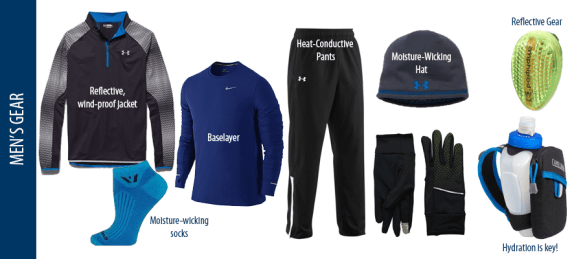
 If you don’t want to spend a fortune on run clothing there are plenty of good value retailers both on the high street and online. Running is particularly well served by smaller local retailers and they are always worth seeking out. But even Aldi and Lidl will have running weeks which are worth keeping an eye out for.
 If you have decided to start a couch to 5k programme as part of your New Year’s resolutions, congratulations! It’s a great way to introduce yourself to running in a gentle and structured way. But we need to have a chat. Rather than bombard you with everything at once, let’s break it down over a number of posts.
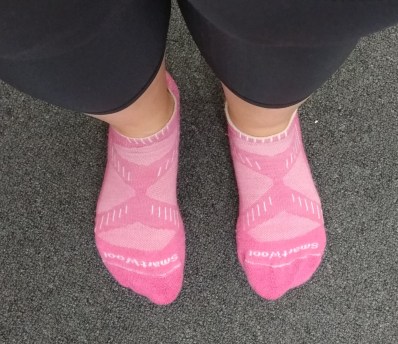 Socks are an often over looked topic but are crucial to keeping your feet comfortable. There is golden rule in all running clothing: COTTON IS NOT YOUR FRIEND. This rule applies here too. Cotton socks will get damp and chill your feet more efficiently than anything else. Cold feet are thoroughly unpleasant and are to be prevented at all costs. Wool or synthetic socks are going to be your friends. They will cushion your foot in the shoe whilest at the same time, wicking perspiration and any other water present away from your skin. But whatever happens avoid cotton!

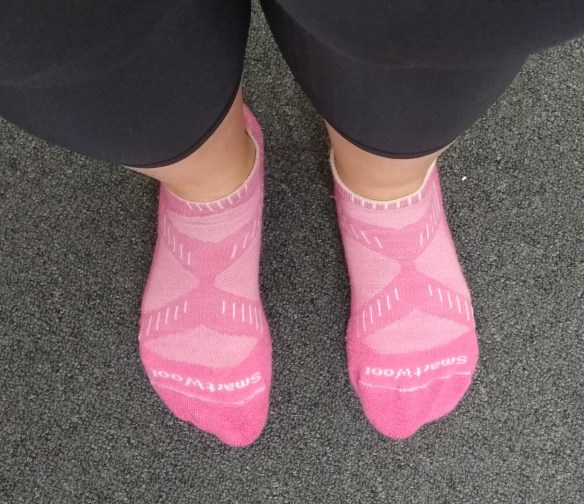 Dry socks after a rather wet cycling session. Dry shoes are a bonus too. Summer has reverted to its more normal weather pattern. Been chasing youngsters around the buggy track at Bentham golf course as a loosener after circuits this morning. R’n R now. #smartwoolrocks #earnedmyhotchocolate
 If Wimbledon has whet your appetite and seen you reaching for the racquet sitting in the corner, good on you! I’m all about keeping active people active and you’ve taken the first step.
 Nearly 2/3rds of tennis injuries are chronic overuse injuries, many of which are caused by poor technique, incorrect equipment use and lack of physical conditioning.
 Think of running pains in terms of a spectrum. At one end you have severe, full-blown injuries, we’ll call that the red zone, which includes major injuries that require real time off. The other end, where you’re in top form, is the green zone. Mild, transient aches that bug you one day and disappear the next sit closer to the green end. Unfortunately, many runners get stuck in the middle, in the not-quite-injured but not-quite-healthy yellow zone. Your ability to stay in the green zone depends largely on how you react to that first stab of pain. Often a couple of days rest now, or reduction in training mileage and intensity, with some treatment, can prevent a lot of time off later. Developing a proactive long-term injury-prevention strategy, including strength training, stretching, regular massage and foam-rolling can help keep you in the ‘green.’ Physical therapy is a lot like homework, not all of us like having to do it, but if you don’t do it, you’re sure to get in trouble at some stage! You can find more information and exercise leaflets for injury prevention at the end of this blog.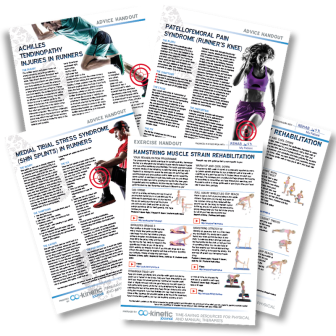
 Eye-Bex Sports Therapy