Ice Ice Baby

It was all going fine as you headed back towards Ingleton (Settle, Bentham, Kirby Lonsdale – insert home location of choice). And then – BANG – it all goes wrong. 

Assuming you haven’t required CRO or the air amblance, you have limped home feeling a bit sorry for yourself. If you did need CRO or the air ambulance, you are back home nursing something more impactful.

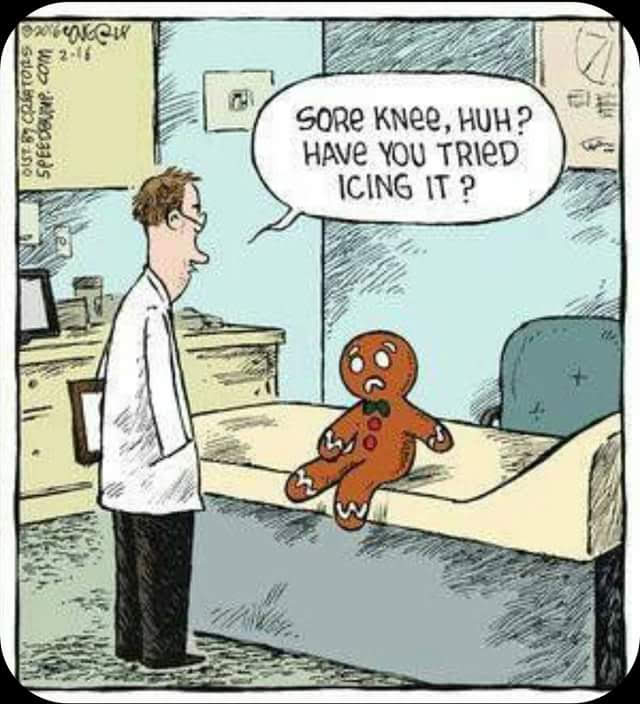
So, you’ve picked up an injury so you must ice it. Well, that’s what we are all told – Rest Ice Compress Elevate (or any of the variations on the theme).

Often the first thing we reach for, when an injury has occured is the ice. Ice has been used for centuries to manage injuries and it plays a part in the healing process in a myriad of ways. Whilst it can help with injury mangement, doing it without care and a bit of thought can be detrimental

Cryotherapy involves the application of cold temperatures to an injured area. The primary goal is to manage the pain, swelling, and inflammation that occur in the immediate aftermath of an injury. This acute stage lasts for 24-72 hours, when the pain is most intense but also when the key initial stages of repair occur.

In this stage, cold therapy helps by:

  1. Delivering Immediate Pain Relief: Cold helps numb the nerve endings in the treated area, providing a natural, drug-free analgesic effect.
  2. Controlling Inflammation: Inflammation is a natural response to injury; it is vital to start the repair process. However, prolonged and excessive swelling can impede the healing process and cause additional problems. Ice plays a crucial role in slowing down the inflammatory response, thereby reducing swelling and promoting a more controlled healing environment.
  3. Regulating Blood Flow: Ice helps regulate blood flow to the injured area. Initially, the application of cold to an area temporarily decreases blood flow by constricting the blood vessels. Once the cold is removed, the blood vessels expand as the area warms. This controlled fluctuation of blood flow helps by both flushing damaged cells into the body’s waste systems and encouraging the presentation of the materials to enable tissue repair.
  4. Preventing Secondary Tissue Damage: By allowing a degree of control over swelling and inflammation, ice therapy assists in preventing secondary tissue damage. Excessive swelling can exert pressure on surrounding, uninjured structures, potentially causing further issues.

One further way cold therapy can help athletes and fitness enthusiasts is by using ice baths, for example, as part of their recovery routine. Constricting then expanding the blood vessels that have been exercising intensively, muscle soreness can be reduced and the dreaded delayed onset muscle soreness (DOMS) be minimised.

How to use cold therapy

Although cold therapy is undoubtedly a useful tool when managing an injury, cold temperatures (particularly the use of ice) comes with some potential risks. These can be minimised with sime simple techniques and common sense.

  • Wrap it up: It is never a good idea to apply ice (in any form) directly to the skin Always use a cloth or towel as a barrier between the ice pack and your skin. There is a real risk of frostbite or ice burn if you do not.

  • Limit Duration: Only apply your cold source for periods of 10 to 15 minutes. Evidence suggests that applying ice for longer periods is probably going to do more harm than good.

  • Allow for Rest Intervals: Allow the skin and tissues to return to body temperature between icing sessions to gain maximum benefit from the treatment.

Ice is best used for the first 2-3 days after an injury has occured. After that, it’s contintued use could impede recovery by restricting the body’s repair mechanisms. Slowing circulation, both blood and lymph, slows the delivery of repair materials and the removal of waste matter. This is where adding heat in to the equation becomes important. It is also the time to introduce sports massage into the management programme.

Ice stands as a versatile and readily accessible remedy in the immediate aftermath of an injury occurring. Its ability to help with immediate pain relief, control inflammation, and promote healing makes it a valuable tool in the recovery process. Used with care and mindfully, it can make a valuable contribution to recovery whatever the cause of the injury.

Postscript

Whilst this blog has focussed on the role of ice in injury management, many of the characteristics of cold therapy are just as relevant in a post operative situation. Many of the issues faced by patients that have had a recent surgery can be helped by using ice as described above. If this aspect of cryotherapy is of interest to you, please get in touch to discuss further.

Really?

We need to talk. About food, real food. We need a really serious talk.

Diabetes UK has designated February as Fakeaway February. This is intended to be a fund raising event and requires a Just Giving account to sign up (althought there is no minimum sponsorship requirement). This is not my beef.

The idea is to swap out your takeaway/ready meals/convenience food throughout February for cooked from scratch, home-made versions. This is a very laudable aim and something I fully support. The benefits of not eating the over processed, over packaged offerings that constitute convenience foods are legion. You will cut your sugar intake enomously, which will have a direct impact on insulin levels. You will cut your consumption of industrial fats, avoiding all the down sides that they convey. Home made is always the best option.

No problem with home made over takeaway. Always in favour of that option.

But who, in their right mind, decided to call the campaign “Fakeaway”?

What depths has our relationship with food sunk to, that the real food version of conveience food can be proudly labeled “Fake”? There are plenty of fake foods out there, trying their best to replicate their real food forebears. The real foods they are modelled on are so good that in many cases, the fake foods have to appropriate their names in order to gain credibility.

Real food made with fresh ingredients will never be fake. It is the original version, that is so good that the food industry needed to try and replicate it in a “convenience” form. In that process, all sorts of additional ingredients and procedures were added to that original recipe. The result is the fakeaway, far removed from the real food dish that inspired the copy.

So, here’s to Real Food February. And March. Why not see if we can make it through to December and celebrate with a Real Food Christmas?

RED December 2020

(Run Every Day in December)

For reasons I cannot particularly explain, I have decided to run every day in December. I’m up to day 8 and so far so good. Any run counts, but I have imposed a minimum of 1 mile (1600m) per day. Given that my C25K runs can be up to 5k in length (Monday, Wednesday and Friday mornings) having that permission to scale things back on the days in-between is quite important.

Training is not where the benefits of exercise accumulate. It is the recovery periods between episodes of more intense exercise that allow the body to consolidate those efforts. Giving yourself permission to back off the intensity to allow those processes to occur is key. It is all too tempting to enjoy feeling so good as a result of your run that you go slightly bananas and head off on something that halts your progress in it’s tracks. Or worse, sends you back to square one.

Trusting the process means exactly that. Plans are devised so that you progressively stretch your capacites, in a programme that then allows you to derive greatest benefit. Any training plan for any sport should be shaped to allow this to happen. Failure to do so leads to overtraining, injury, complete loss of mojo or a combination of the three.

Equally, life has a habit of pulling blinders out of the closet. For various reasons, I have struggled to pull together a programme of running that I could stick to consistently. For many years now I have been a yo-yo runner. All keen and enthusiastic until that keeness results in going a bit too hard for a bit too long and ending back in the “can’t be bothered” zone. Consistency of activty is as important as recovery, Resisting the temptation to get carried away with it is critical to both.

Tomorow is an “effort” day. I will enjoy the process of pushing myself. Thursday is a recovery day. I shall enjoy the process of not pushing myself. I will look forward to reaping the rewards of consistent effort at the end of the process.

And I will trust the process!

Don’t blame salt for what the sugar did…

Salt:  (also common salt)  [mass noun] A white crystalline substance which gives seawater its characteristic taste and is used for seasoning or preserving food.

Table salt – NaCl

A mineral that is so valuable to humankind that we used to pay people with it (hence your salary if you are lucky enough to be paid one).A mineral essential to the operation of the human body. It helps regulate cell size, manage electrical activity especially in the nervous system, which is fundamental to the operation of the endocrine system (hormone production). It keeps fluids in balance both in the blood and the interstitial fluid around the cells. By managing the fluid levels it helps to manage core body temperature, reducing the risk of heat stroke. It’s role in the nervous system could well be crucial to understanding migrane, fibromyalgia, neuropathy and hypersensitivity to pain.

If your salt levels are too low, you are likely to experience orthostatic hypotension when moving from sitting to standing, making you feel dizzy or faint. Low salt levels reduce your tolerance of exercise, especially in the heat.

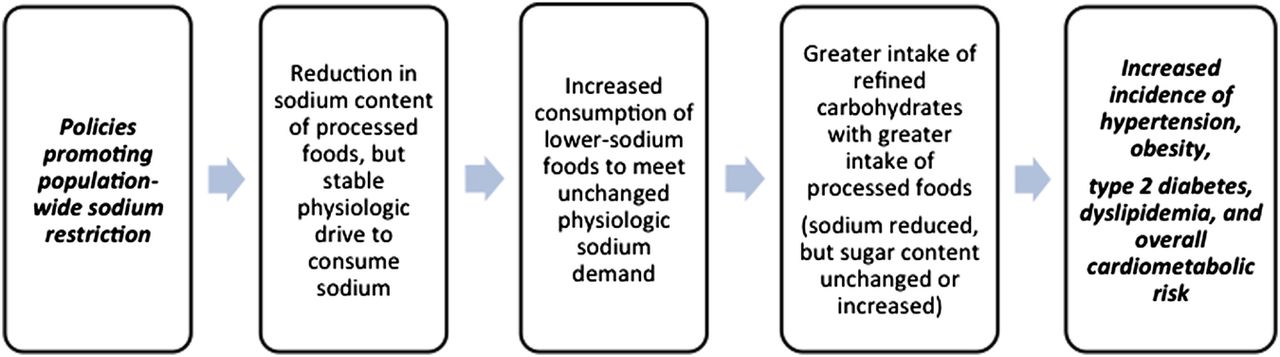
There is no evidence that reducing salt intake reduces your risk of hypotension (1). It DOES have a role in managing blood pressure but eating salt does not raise blood pressure. Sadly, research that used very small sample sizes, coupled with overzealous interpretation and a disregard of the fundamental need for salt in the body, lead to the adoption of the salt reduction programmes with which we have all become familar.

Unfortunately the law of unintended consequences kicked in and the desired result was far from achievable by the means proposed. (2)

Taking out of food one of the key minerals needed by the body for its effective operation does nothing to alter that biological need. If your body needs something, it usually has a mechanism to prompt you to seek out the required foodstuff to satisfy that need/replenish supplies. But that possible source of satisfaction has had it’s salt content reduced (because the official bodies said the manufacturers should). The population, having been told to reduce their intake, were presented with highly-processed products plastered with the comforting labels highlighting their low salt credentials.

Highly processed foods also contain high levels of added sugar and industrial oils/fats.

So, are we looking at the true culprit? Or are we punishing the wrong target?

References

  1. The Salt Fix”  Dr James di Nicolantonio Harmony Books 2017
  2. DiNicolantonio JJ, Lucan SC     The wrong white crystals: not salt but sugar as aetiological in hypertension and cardiometabolic disease    


Have we missed the point?

67490908_489417991631727_4310218162227380224_o


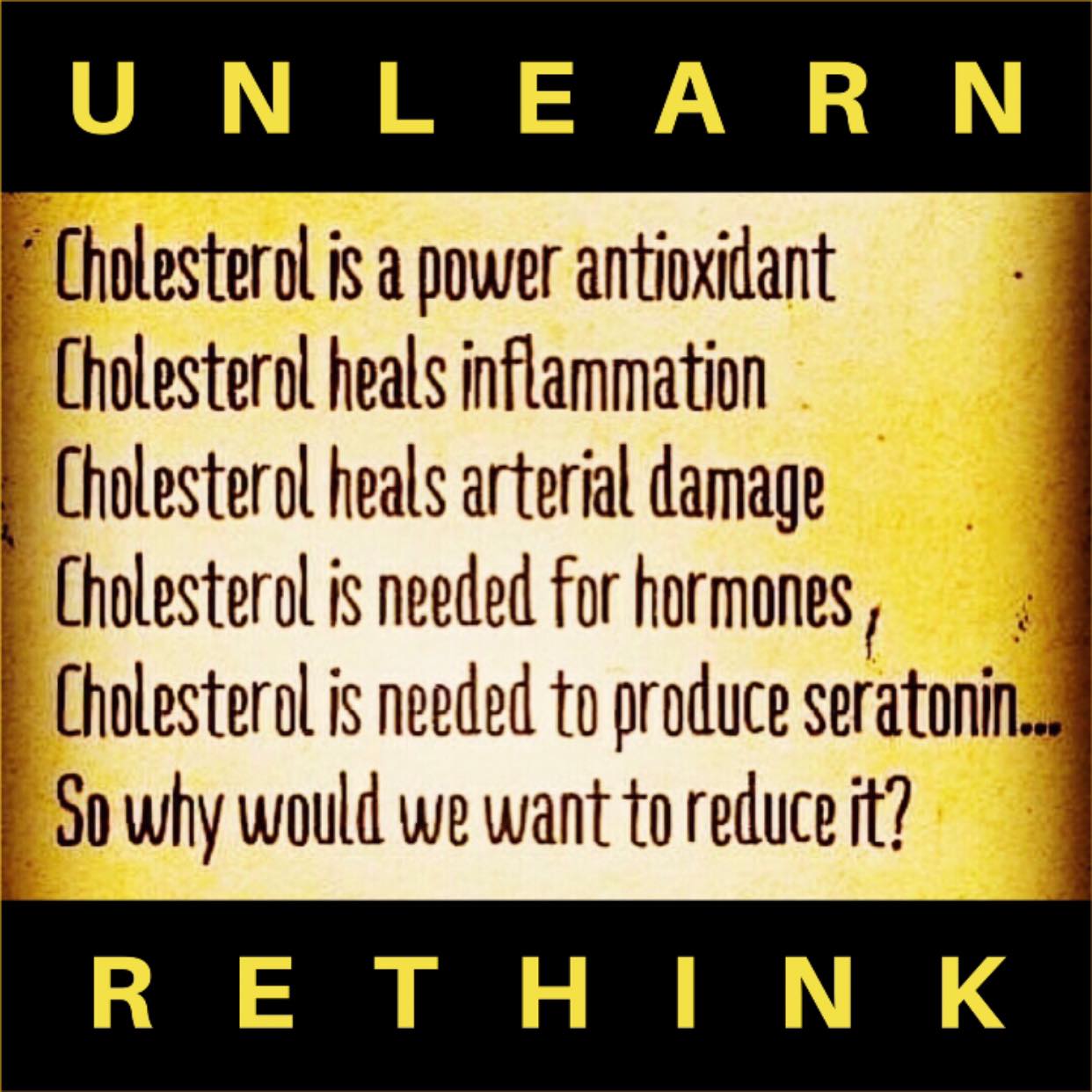
If Mother Nature designed a system to manufacture cholesterol within the body, why are we so busy demonising it? MN doesnt get things that wrong.

Cholesterol is amazing – so amazing that you simply would not exist without it. Every cell in your body, whatever its role, is dependent on cholesterol to:

  • maintain cell membrane strength and integrity
  • fight infection
  • metabolise vitamin D
  • transport substances across the cell membrane (in and out)
  • communicate with other cells
  • transmit signals along and between nerves
  • metabolise steroid hormones
  • assist in repair of damaged tissue.

The list goes on.

The liver produces cholesterol for the body to use and it’s output is closesly monitored by the body’s homeostasis systems. It’s one of the systems that is so critical to body function that Mother Nature devised mechanisms to keep levels in the body under strict control.

If it wasn’t important, why do that?

If it is that important, why are we determined to reduce it’s presence in the body?

Are we looking at the right culprit?  Or are we missing the real point?

Learning from Sunday

As  my last post explained, I ran/walked a half marathon last Sunday, off the cuff with no real training for the event. It took me nearly 4 hours of constant movement, fuelled by 2 Bourbon biscuits (one on the way out and one on the way back through Feizor), Ribena and Nuun tablets. My body was tightening up towards the end but I managed to jog into the finish with a smile on my face.

What struck me tho was what happened afterwards. After a brief foray into Booths (mainly for tea bags and milk!) and a short stroll to deliver a birthday present, I headed back to base to apply those tea bags. (I do of course mean drinking tea by the mugful, not some weird external application of tea bags for cosmetic purposes.)

Sitting down to drink the tea was heaven, looking out on the view at Lowstern in the late afternoon sun was a joy, especially as the wind dropped so the full power of the sun could be enjoyed. Getting up to make the next mug full was a bit of an effort but, once moving again, things felt pretty good, much to my surprise. Eventually I tore myself away from admiring the view and into the shower which continued the improvement. After a short stretching session, I was moving like a normal person.

Apart from the Bourbon bisuits, which I figured would probably be burned off pretty rapidly given my effort levels, the day’s intake had been breakfast of bacon, sausage and eggs and a post race steak pie, peas and gravy. Oh and tea, of course.

I’m asking myself if the lack of refined sugars in my system contributed to the lack of DOMS and the rapid recovery from an effort that was beyond my normal range of  Sunday activity. Perhaps it was the run/walk strategy keeping the exertion levels manageable. Either way, the inflammation in my body was considerably less than I expected. If I can repeat that on a regular basis, I’ll be happy.

Can I? Will I?

I took part in the Settle Saunter today. 21.1kms of relatively low level trails and the first time in many years I’ve attempted that distance. but I wanted to prove that I can set a challenging goal and push on through to achieve it, come what may.

Most of my runs this year have been flat and accompanied by the puppy, which naturally curtails distances. I’ve done a 5k out-and-back up Fell Lane and Crina Bottom once. My one event was the Charlesworth about a month ago (should have gone for the 🍺 at the end – next time, eh). Safe to say, I was not trained for a hilly half in any way shape or form.

It turns out that the answer to the question is yes, I can. Now, that wasn’t really in question. I’ve spent many a long day in the hills and love it when,at the end of that long day, I can sit back with a drink and feel that joyously exhausted sensation. However, sometimes I need to reinforce that knowledge, reaffirm that belief. Not all life’s challenges are hill related, even if they are hill shaped.


It took me forever (just shy of 4hours) but I did it. I can, I will turned into I can, I did. The pie and peas on arrival were fantastic and tea – well that is always restorative. Now to deal with those other life challenges that are lining up.

PS No blisters and after a bit of a stretch session, not walking to badly either.

Salt – the age old debate

Do you get paid a salary? Do you have a colleague who is “worth their salt”? Ever described someone as the “salt of the earth”? Do you know the origin of the word “salad”?

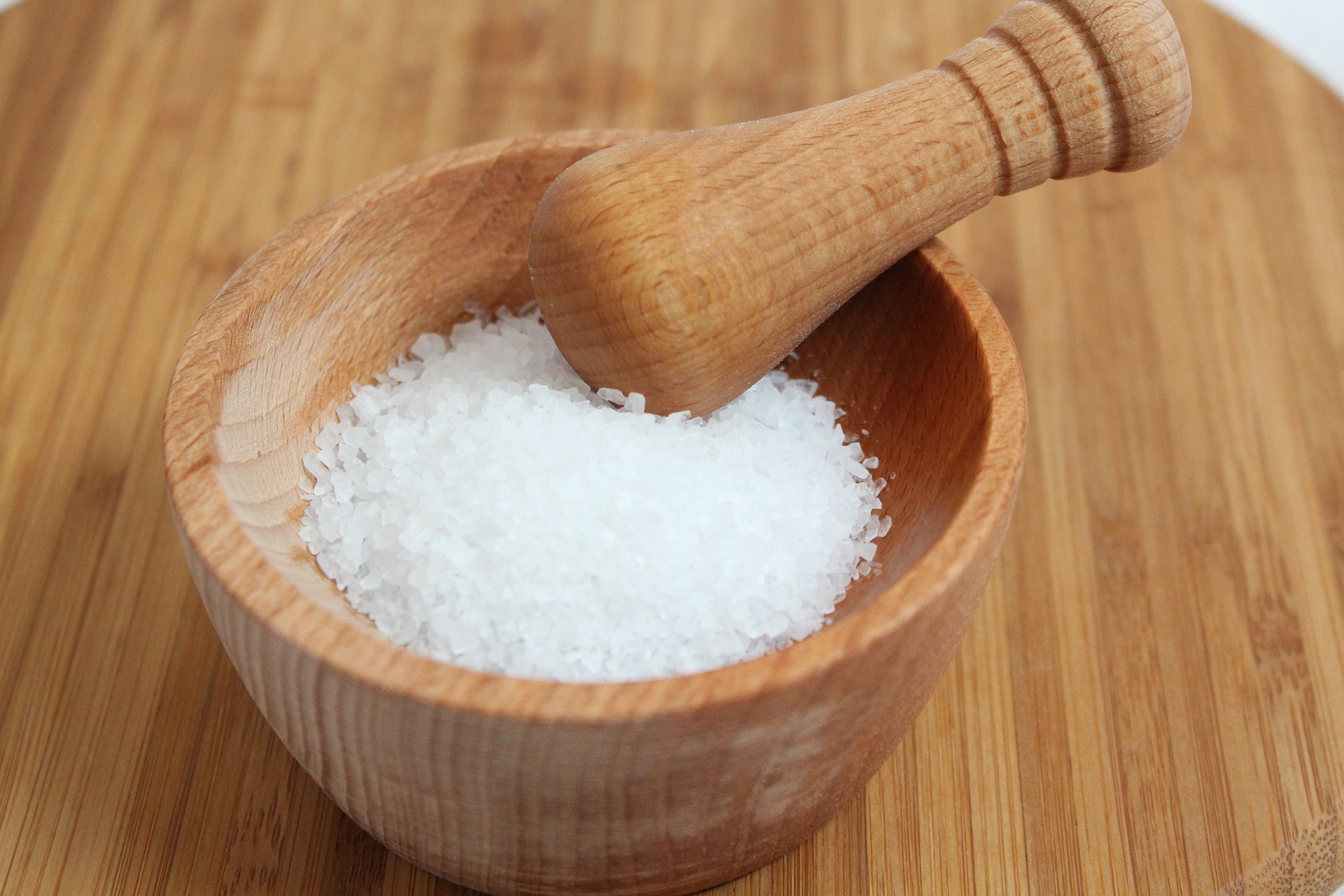
salt-91539_1920
Image by Philipp Kleindienst from Pixabay

Salt has been at the heart of human existence for millenia. In the first of a series of articles Chris Kresser covers the history of salt and how it became such a valuable commodity across human cultures.

It’s worth a thought. Why was salt so fundamental to the development of human societies? There are plenty of other white powders that might have fulfilled that role but no – it was salt.