RED December 2020

(Run Every Day in December)

For reasons I cannot particularly explain, I have decided to run every day in December. I’m up to day 8 and so far so good. Any run counts, but I have imposed a minimum of 1 mile (1600m) per day. Given that my C25K runs can be up to 5k in length (Monday, Wednesday and Friday mornings) having that permission to scale things back on the days in-between is quite important.

Training is not where the benefits of exercise accumulate. It is the recovery periods between episodes of more intense exercise that allow the body to consolidate those efforts. Giving yourself permission to back off the intensity to allow those processes to occur is key. It is all too tempting to enjoy feeling so good as a result of your run that you go slightly bananas and head off on something that halts your progress in it’s tracks. Or worse, sends you back to square one.

Trusting the process means exactly that. Plans are devised so that you progressively stretch your capacites, in a programme that then allows you to derive greatest benefit. Any training plan for any sport should be shaped to allow this to happen. Failure to do so leads to overtraining, injury, complete loss of mojo or a combination of the three.

Equally, life has a habit of pulling blinders out of the closet. For various reasons, I have struggled to pull together a programme of running that I could stick to consistently. For many years now I have been a yo-yo runner. All keen and enthusiastic until that keeness results in going a bit too hard for a bit too long and ending back in the “can’t be bothered” zone. Consistency of activty is as important as recovery, Resisting the temptation to get carried away with it is critical to both.

Tomorow is an “effort” day. I will enjoy the process of pushing myself. Thursday is a recovery day. I shall enjoy the process of not pushing myself. I will look forward to reaping the rewards of consistent effort at the end of the process.

And I will trust the process!

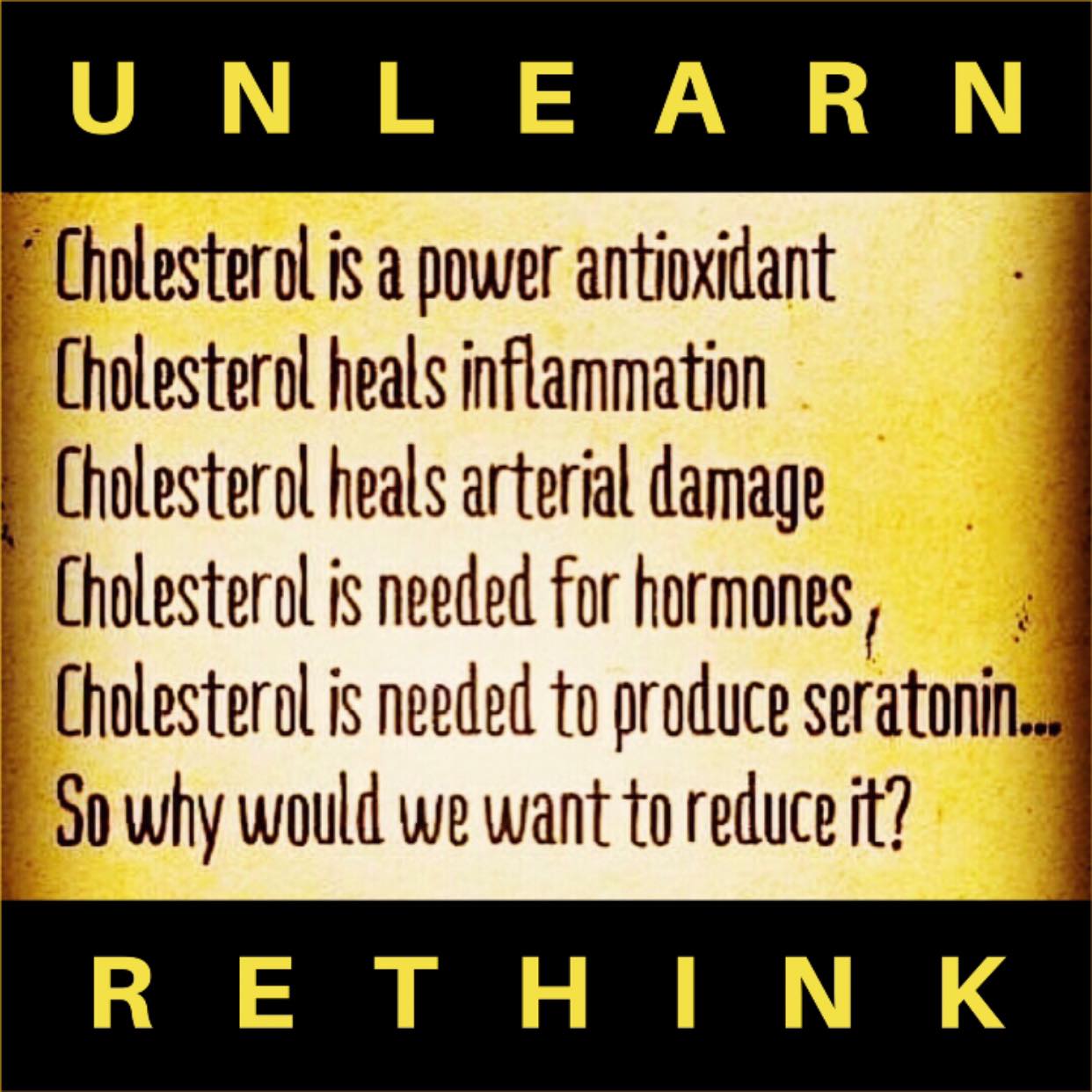
Have we missed the point?

67490908_489417991631727_4310218162227380224_o


If Mother Nature designed a system to manufacture cholesterol within the body, why are we so busy demonising it? MN doesnt get things that wrong.

Cholesterol is amazing – so amazing that you simply would not exist without it. Every cell in your body, whatever its role, is dependent on cholesterol to:

  • maintain cell membrane strength and integrity
  • fight infection
  • metabolise vitamin D
  • transport substances across the cell membrane (in and out)
  • communicate with other cells
  • transmit signals along and between nerves
  • metabolise steroid hormones
  • assist in repair of damaged tissue.

The list goes on.

The liver produces cholesterol for the body to use and it’s output is closesly monitored by the body’s homeostasis systems. It’s one of the systems that is so critical to body function that Mother Nature devised mechanisms to keep levels in the body under strict control.

If it wasn’t important, why do that?

If it is that important, why are we determined to reduce it’s presence in the body?

Are we looking at the right culprit?  Or are we missing the real point?

Learning from Sunday

As  my last post explained, I ran/walked a half marathon last Sunday, off the cuff with no real training for the event. It took me nearly 4 hours of constant movement, fuelled by 2 Bourbon biscuits (one on the way out and one on the way back through Feizor), Ribena and Nuun tablets. My body was tightening up towards the end but I managed to jog into the finish with a smile on my face.

What struck me tho was what happened afterwards. After a brief foray into Booths (mainly for tea bags and milk!) and a short stroll to deliver a birthday present, I headed back to base to apply those tea bags. (I do of course mean drinking tea by the mugful, not some weird external application of tea bags for cosmetic purposes.)

Sitting down to drink the tea was heaven, looking out on the view at Lowstern in the late afternoon sun was a joy, especially as the wind dropped so the full power of the sun could be enjoyed. Getting up to make the next mug full was a bit of an effort but, once moving again, things felt pretty good, much to my surprise. Eventually I tore myself away from admiring the view and into the shower which continued the improvement. After a short stretching session, I was moving like a normal person.

Apart from the Bourbon bisuits, which I figured would probably be burned off pretty rapidly given my effort levels, the day’s intake had been breakfast of bacon, sausage and eggs and a post race steak pie, peas and gravy. Oh and tea, of course.

I’m asking myself if the lack of refined sugars in my system contributed to the lack of DOMS and the rapid recovery from an effort that was beyond my normal range of  Sunday activity. Perhaps it was the run/walk strategy keeping the exertion levels manageable. Either way, the inflammation in my body was considerably less than I expected. If I can repeat that on a regular basis, I’ll be happy.

Can I? Will I?

I took part in the Settle Saunter today. 21.1kms of relatively low level trails and the first time in many years I’ve attempted that distance. but I wanted to prove that I can set a challenging goal and push on through to achieve it, come what may.

Most of my runs this year have been flat and accompanied by the puppy, which naturally curtails distances. I’ve done a 5k out-and-back up Fell Lane and Crina Bottom once. My one event was the Charlesworth about a month ago (should have gone for the 🍺 at the end – next time, eh). Safe to say, I was not trained for a hilly half in any way shape or form.

It turns out that the answer to the question is yes, I can. Now, that wasn’t really in question. I’ve spent many a long day in the hills and love it when,at the end of that long day, I can sit back with a drink and feel that joyously exhausted sensation. However, sometimes I need to reinforce that knowledge, reaffirm that belief. Not all life’s challenges are hill related, even if they are hill shaped.


It took me forever (just shy of 4hours) but I did it. I can, I will turned into I can, I did. The pie and peas on arrival were fantastic and tea – well that is always restorative. Now to deal with those other life challenges that are lining up.

PS No blisters and after a bit of a stretch session, not walking to badly either.

Salt – the age old debate

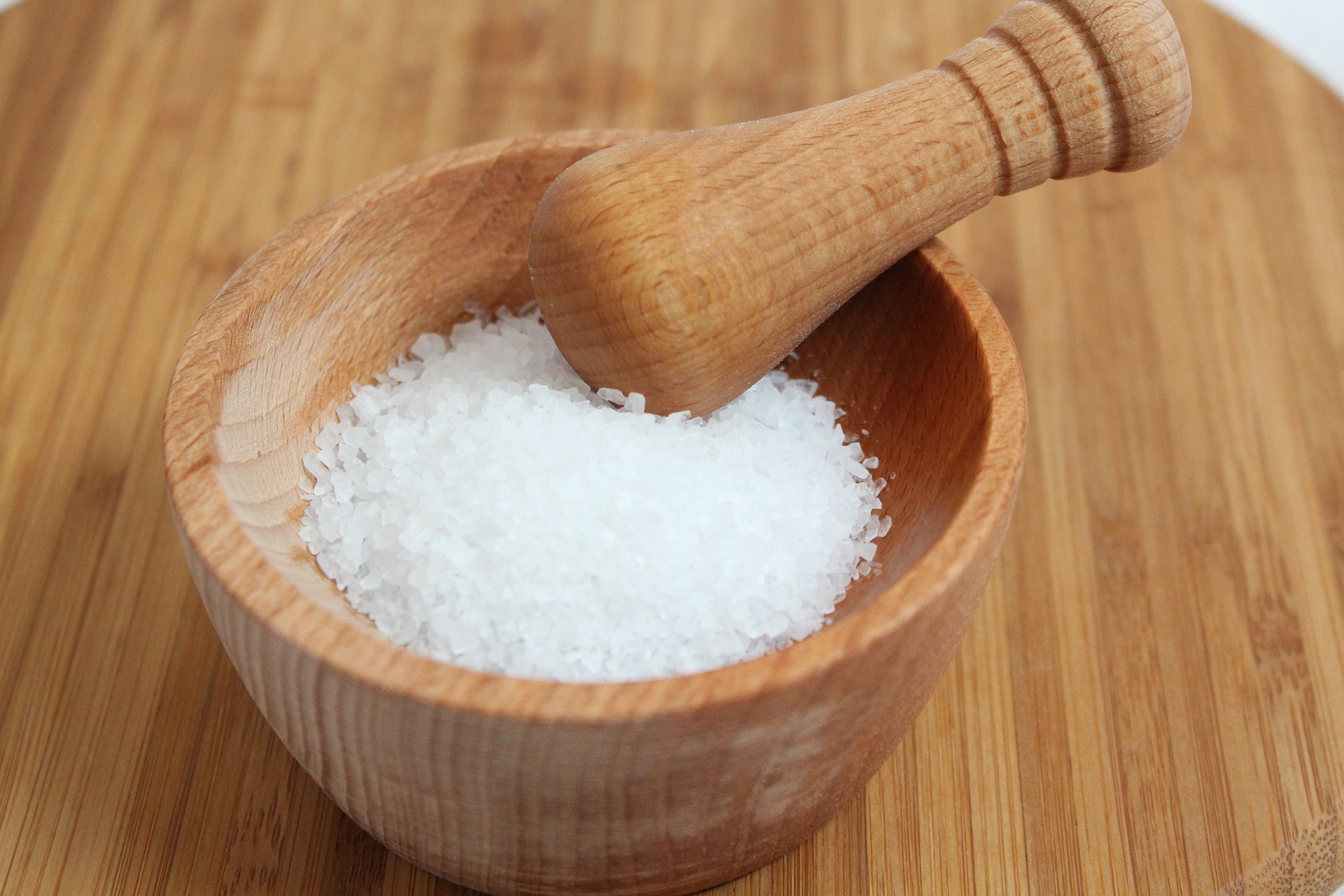
Do you get paid a salary? Do you have a colleague who is “worth their salt”? Ever described someone as the “salt of the earth”? Do you know the origin of the word “salad”?

salt-91539_1920
Image by Philipp Kleindienst from Pixabay

Salt has been at the heart of human existence for millenia. In the first of a series of articles Chris Kresser covers the history of salt and how it became such a valuable commodity across human cultures.

It’s worth a thought. Why was salt so fundamental to the development of human societies? There are plenty of other white powders that might have fulfilled that role but no – it was salt.

Marathon Hydration

water-830374_1920

Image by Jana Wersch from Pixabay

What to drink and how much during a marathon is a perenial topic of discussion. Over time we have passed through the “drink sparlingly or not at all” to “drink frequently” to “drink to thirst”. What is a good marathoner to do?

The International Marathon Medical Directors Association issued guidance¹ to both organisers and participants regarding hydration and the treatment of those that get into difficulties during and after events.

The practical recommendations from their position statement are as follows:

  1. Drinking to thirst is the body’s dynamic physiologic fluid calculator and in most cases will protect athletes from the hazards of both over and under-drinking by providing real-time feedback on tonicity.
  2. A static fluid calculator can provide an estimate of body fluid losses thereby providing a numeric range as a generalized strategy for fluid replacement during racing and training.
  3. Athletes are advised to understand their individualized fluid needs through use of a static fluid calculator but ALWAYS defer to physiologic cues to increase fluid intake (thirst) or decrease fluid consumption (increased urination, bloating, weight gain) while running.
  4. Water, sodium and glucose (in foods and or beverages) should be freely available at fluid replacement stations, spaced 1.6km (minimum) to 5 km (maximum) apart. The quantity and amount of food and fluid consumed should be guided by individual palatability and tolerance for such items.
  5. Calibrated scales along a marathon course should be at the discretion of the medical team; a weight loss of >4% or any weight gain constitutes justification for medical consultation.
  6. Exercise in extreme heat (>38C) may require hydration beyond thirst during the initial days of heat acclimatization whereas advanced age (>65 y) and cooler environmental temperatures (<5C) may elevate the operating set point for the stimulation of thirst.

The “body’s dynamic physiologic fluid calculator” comes in the form of thirst. This is a fundamental protection system devised to maintain the correct internal balance within the body. It is highly sensitive and it is worth learning to recognise its signs; a dry mouth, irritation in the mouth and throat, and/or an unpleasant taste in the mouth all indicate that you are thirsty and should take a drink. Drinking according to the sensation of thirst, in the majority of cases, will protect you from the hazards of both under- and over-drinking during your event. This is particularly the case for those towards the rear of an event who are likely to be on course for prolonged periods of time.

“A static fluid calculator” comes in the form of tables and models that indicate a blanket approach to fluid consumption. Fluid requirements are highly individual and so dictating ranges of fluid volume to be consumed during prescribed periods of time can encourage extremes of behaviour. No specified range of consumption can accommodate the range of individual requirements, environmental conditions experienced and running speeds can be encountered during a marathon (or ultra) event.

Hence guideline 3 advises using the various advisory tables for advice on fluid requirements but to ALWAYS defer to what your body is telling you. Algorithms cannot account for the situation that you are experiencing in the here and now of a marathon. Your thirst or need to find the nearest loo both tell you about your hydration status and these should be guiding your approach, not a dogged insistence on this much in over that period of time. This is where using your training runs to learn about your reaction to getting sweaty.

Guideline 4 suggests what should be available to runners during races with the caveat that consumption should be guided by the runner themselves.

Guideline 5 gives a parameter for the medical team in attendance. For a 100kg runner (weighed at the start) this would represent a 4kg loss of weight (over half a stone) during the event. At this point you would probably welcome medical intervention and worries about a DNF might not even register with you.

Extreme environmental conditions do alter your requirements particularly during acclimatisation periods. But you will note that the extremes are unlikely to be experienced during any Spring marathon in the UK. The hysteria over the likely temperature on race day for the London Marathon 2018 seems somewhat out of place. The power of persuasion is strong, especially in the nervous, pre-event runner.

If you know in advance what hydration options are going to be on offer at your event, it makes sense to train with those products in advance if you are planning to use them on race day. Sometimes it is necessary for your system to become accustomed to the particular make up of so called sports drinks. You may find that you need to dilute products from their “off the shelf” offering to make them digestible to your GI tract. This is best discovered before race day as the impact can be volotile to say the least.

If you have a preferred product that you know you can stomach, it’s an idea to work out how to manage your hydration on race day in advance. Do you need to carry a bottle or a hydration bladder? Do you need to carry tablets or powder to keep you supplied? How will you carry them? If you need a belt pack or a race vest, again you want to run with this before race day to iron out any issues of fit or function.

Above all, work with your own body’s needs, take notice of the signs that you need to take action and prepare you approach in advance so you are in control of events on race day.

Then…enjoy!

¹     Clin J Sport Med 2006;16:283–292


Easter is a comin’

…but can you DO Easter without chocolate? Well yes you can, which if you are trying to cut down on your sugar intake must be welcome news.

kelly-sikkema-543215-unsplashThe key to Easter is eggs. It’s the symbol of a new beginning and a new life.  But they don’t have to be made from or filled with chocolate. Anyone remember colouring hard boiled eggs as a child? I do – if you are going for an Easter picnic that would certainly add an injection of colour. Forgotten how? Well you could try this method.

There are a whole host of customs associated with eggs at Easter – Project Britain has some interesting examples. How about holding an egg rolling competition?

You could bake a Simnel Cake (if you are making it yourself, you can control what goes into it, especially the sweetness). As with most traditions there are many variations across the country but as Mary Berry is the Queen of cakes you can find one of her versions here. If you really want to go sugar free you could start here.

anita-austvika-1175337-unsplash.jpgIf you must have chocolate, the best way to make it as low sugar as you can is to go as dark as you can. 85% cocoa solids chocolate from Lindt puts the sugar content down to 11%. (Milk chocolate could be  over 50% sugar.) Get melting and make your own treats with your favourite! Lakeland has some great gear to help.


If you’d rather not follow the food route to enjoyment, try your local craft shop for a wide range of eggy ideas to cross your path. If the weather decides to intervene and discourage outdoor actitivies, these could keep you amused indoors for hours.

However you choose to celebrate Easter, enjoy!

It’s a rest day – if I’m not running what do I do?

15724914_10210188075752887_1742895720957813311_o

Smart ideas for rest days

Having convinced yourself that your rest days are worth honouring, what to do on a day you are not running? After all, you want to make even the down time count, right? Well you could try…

  • Take a long walk – take the dog, take the kids, borrow one or the other or just take yourself off for a hike. Active recovery is by far the most effecting and hiking fits the bill perfectly. It is a great low intensity, moving activity that will help release some of the stiffness generated by running.
  • Go do something really different – get yourself to the climbing wall, take to the pool, jump on the bike. Any activity that keeps your body moving but in a different way to your running will aid your recovery. That said, a 100 mile bike ride might be pushing that boundary a touch too far.
  • Go yogi – make the most of the opportunity to get a good stretch, a yoga session or some pilates. They will all contribute to your overall conditioning and increase the ability of the soft tissues to cope with the stresses and strains that you accumulate through training.
  • Volunteer at a race – well none of them happen without a team of voluteers and the atmosphere on the support side of the equation can be as invigorating and inspiring as actually running. It’s great mental reset.
  • Get a massage – following a hard running day or a following a signigicant block of training, a massage is a great way to assist your recovery. You’ll feel the benefit in both mind and body and it will help to mobilise your lymphatic system (which needs muscle movement to circulate the lymph). If you schedule one on the day before a hard run or a race, let your therapist know so the massage can be devised accordingly.

Keep eating well and drinking your fluids so you are well prepared to step back into the next stage of the training programme and you should find you are running stronger in both mind and body. Go team you!